Do You Need a Gas Safe Engineer to Install a Gas Cooker?
Whether you need a Gas Safe engineer depends on what you're actually doing. The law draws a clear distinction, and it's worth understanding before you assume either way.
If your cooker connects to the gas supply via a bayonet fitting, the push-and-turn connection on the end of a flexible hose, you can disconnect and reconnect the appliance yourself. This is legal. People do it regularly to pull the cooker out for cleaning and put it back. You're not working on the gas supply itself. You're removing an existing, tested connection and refitting it. That's different.
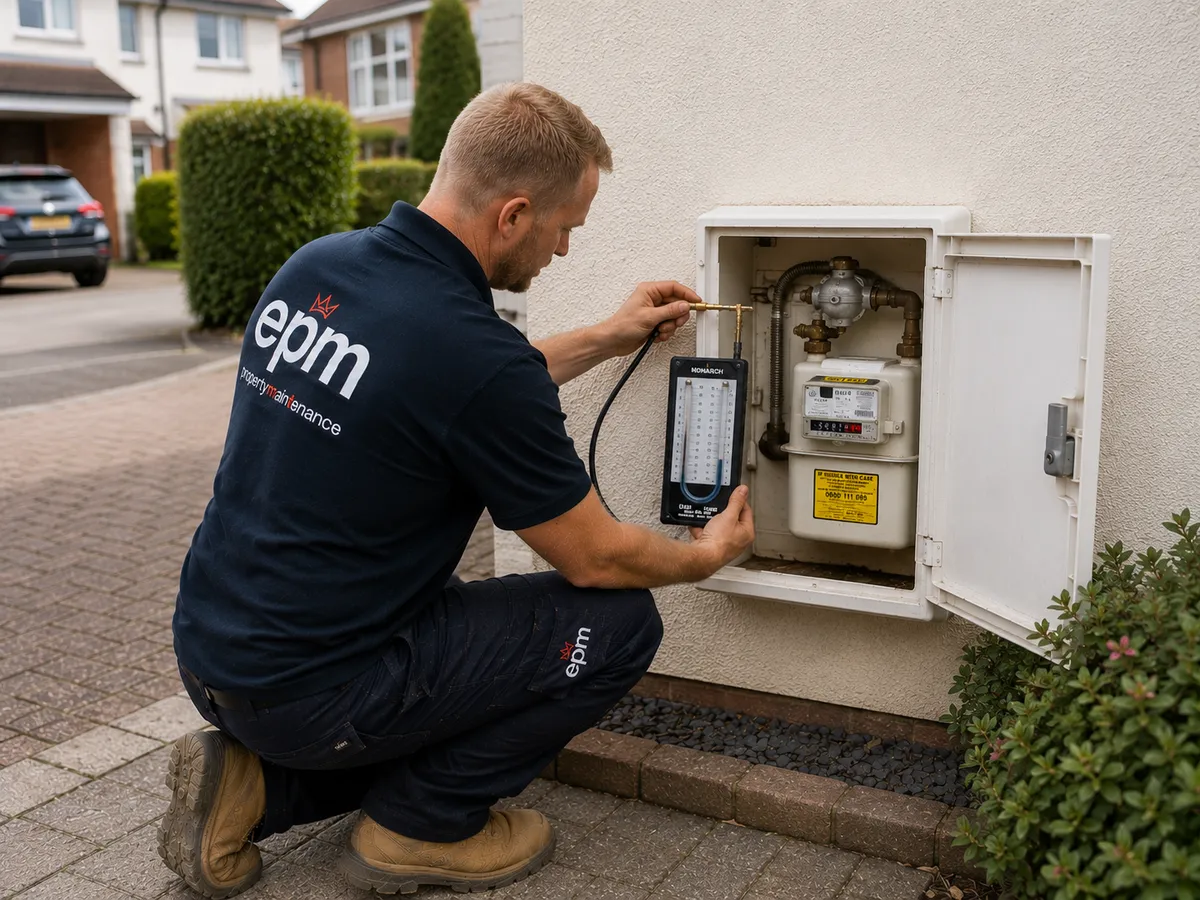
The moment a new appliance is involved, that changes. A new cooker installation needs to be carried out by a Gas Safe registered engineer. A gas tightness test has to be done after any new connection, and only a registered engineer can sign off that work. The flexible hose should also be replaced whenever a new appliance is fitted, and that forms part of the installation.
The same applies if there's no existing gas point at the cooker position, if you're moving the cooker to a different location in the kitchen, or if you have any doubt about the condition of the current connection. In any of those situations, call a Gas Safe engineer.
Rented properties
If you're a landlord, any gas work carried out at a rental property must be done by a Gas Safe registered engineer and you're legally required to keep records of it. Don't attempt DIY gas work at a rented property.
If you're not sure
The bayonet fitting rule is well established, but if you're unsure what type of connection you have, how old the hose is, or whether what you're doing counts as notifiable work, get a Gas Safe engineer involved. Gas isn't something to guess at.
EPM is Gas Safe registered and fits gas cookers across Exeter and Devon. If you're getting a new cooker installed and want to know what the job involves, the guide below covers it in full.
